 Hot
Hot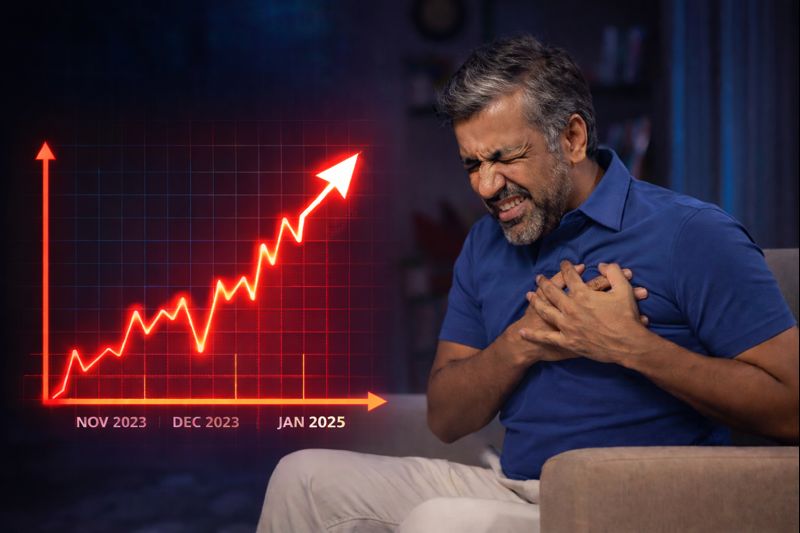
North India remains gripped by an intense cold wave in mid-January 2026. Minimum temperatures hover between 2–6°C in Delhi, Punjab, Haryana, Uttar Pradesh, and Rajasthan, with dense fog reducing visibility and trapping pollutants. Hospitals in Delhi-NCR report a sharp 30–50% rise in cardiac emergencies compared to summer months, according to cardiologists at AIIMS, Fortis, and Apollo.
Extreme cold puts extra pressure on the heart, especially for people already living with risk factors. The combination of physiological changes and environmental triggers makes January one of the deadliest months for heart attacks in northern states.
Why Heart Attacks Spike in Winter
Cold air causes blood vessels to narrow (vasoconstriction), increasing blood pressure and making the heart work harder to pump blood. This sudden demand can trigger events in vulnerable individuals.
Blood also thickens in low temperatures due to reduced fluid intake and haemoconcentration, raising the chance of clots. Winter pollution spikes dramatically—Delhi’s AQI frequently crosses 400–500 during inversion layers—leading to arterial inflammation and reduced oxygen delivery to the heart.
Morning hours are particularly risky: people step out into freezing air after a warm night, causing abrupt blood pressure surges. Overeating heavy festive foods, alcohol consumption, smoking, and physical strain (like shoveling snow or brisk walking) further overload the system.

Who Is Most at Risk?
Certain groups face higher danger during prolonged cold snaps:
- People aged 40+ with hypertension, diabetes, high cholesterol, or previous heart issues
- Smokers and those exposed to second-hand smoke
- Individuals with sedentary lifestyles or recent weight gain
- Patients with untreated sleep apnea (common in winter due to dry air)
- Those living in high-pollution urban pockets without proper indoor heating
Younger adults in their 30s are also seeing more cases, often linked to chronic stress, irregular sleep, poor diet, and undiagnosed conditions.
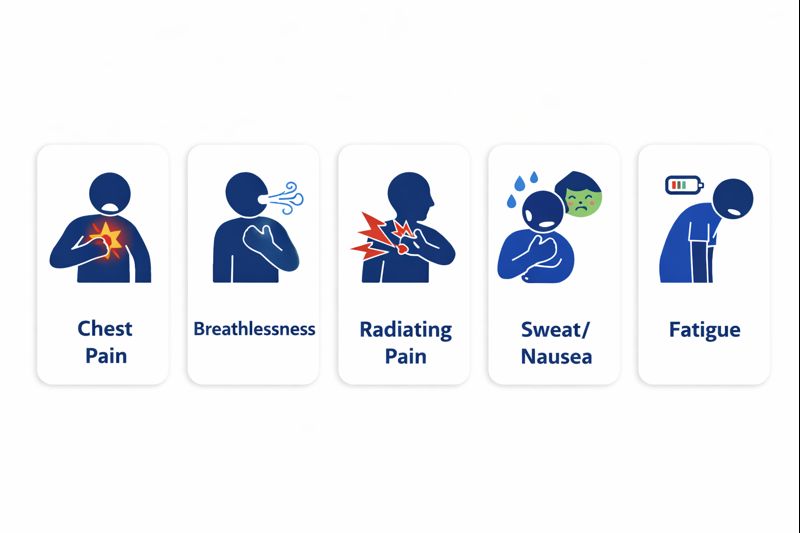
5 Key Warning Signs to Watch For
Act immediately if any appear—call emergency services (108 in India) without delay.
-
Chest Discomfort or Pain
Tightness, pressure, squeezing, heaviness, or burning in the center or left side of the chest. May last a few minutes or come and go. -
Shortness of Breath
Feeling out of breath even at rest, during light activity, or while lying down. Can occur with or without chest pain.Mid-Article Ad Space
(Responsive / Native Ad) -
Pain Radiating to Upper Body
Discomfort spreading to arms (especially left), shoulders, neck, jaw, back, or upper stomach. -
Cold Sweat, Nausea, Lightheadedness
Sudden profuse cold sweating, dizziness, fainting sensation, nausea, or vomiting. -
Unusual Fatigue or Sense of Doom
Extreme, unexplained tiredness, weakness, or intense anxiety/feeling that something terrible is about to happen.
Women often experience more atypical symptoms like fatigue, indigestion, or back/jaw pain rather than classic chest pain.
Prevention Tips During the Cold Wave
Protect your heart with these practical steps:
- Dress in layers and cover head, neck, and hands before going outside.
- Avoid sudden exposure to cold—warm up indoors first and limit early-morning/evening outings.
- Stay hydrated: drink warm fluids like herbal tea, soup, or lukewarm water even if not thirsty.
- Eat heart-healthy: limit oily, salty, and heavy foods; include fruits, vegetables, and whole grains.
- Exercise indoors: try yoga, walking on treadmill, or light home workouts instead of outdoor runs.
- Monitor BP and sugar regularly if you have risk factors; take prescribed medicines on time.
- Quit smoking and avoid alcohol binges.
- Use air purifiers indoors and keep windows closed during peak smog hours.
High-risk individuals should consult their cardiologist for winter-specific advice, such as adjusting doses or carrying emergency medication.
Winter heart attacks are preventable with awareness and small changes. Listen to your body, stay warm, and seek help fast if symptoms appear. Stay safe in the cold wave.