 Hot
Hot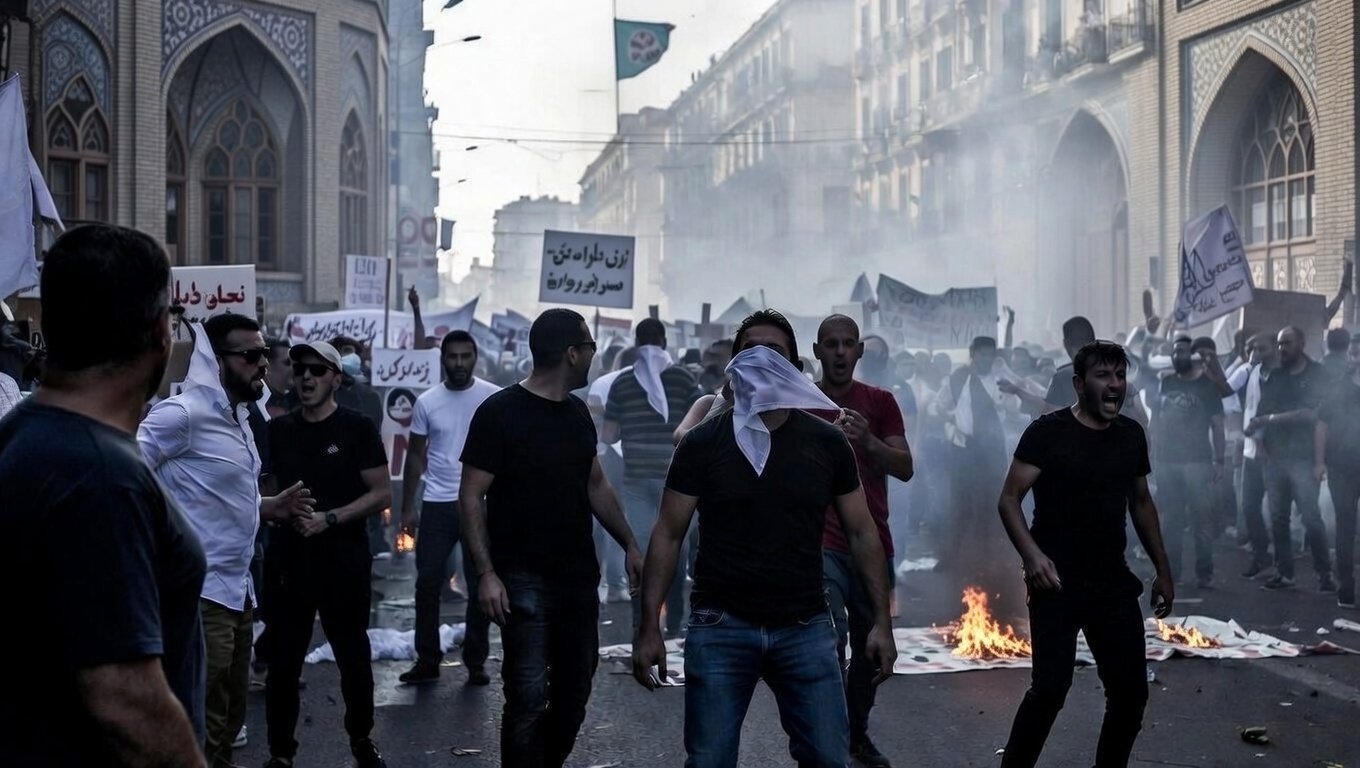
Iran faces its most severe challenge in decades as massive anti-regime protests erupt across all 31 provinces in January 2026. Triggered by economic grievances, political repression, and fallout from late-2025 US and Israeli strikes on regime targets, demonstrators demand fundamental change, chanting slogans against the clerical leadership.
Reports indicate protests began escalating in late December 2025 and spread nationwide by early January. Human rights groups document over 3,000 deaths from security force crackdowns, with thousands more injured or arrested. The unrest represents the bloodiest period since the Islamic Republic’s founding.
Nationwide Uprising and Deadly Crackdown
Demonstrations reach every corner—from Tehran and Isfahan to remote areas like Sistan-Baluchistan. Protesters burn posters of Supreme Leader Ayatollah Ali Khamenei, attack government buildings, and call for an end to the theocracy.
Security forces respond with live ammunition, tear gas, and mass arrests. Internet blackouts hinder information flow, but leaked videos show chaotic street clashes and mourning processions for slain demonstrators.
Khamenei blames “foreign enemies”—specifically the US, Israel, and Trump—for orchestrating the violence. He labels protesters as “seditionists” and vows no mercy for those causing “casualties and damages.”
Trump’s Vocal Support Boosts Morale
US President Donald Trump actively backs the protesters, posting messages urging them to “keep protesting” and promising American help if the regime escalates killings. He claims sources indicate executions paused due to international pressure and warns Tehran against further violence.
Trump’s statements energize demonstrators, with many viewing them as a morale boost amid isolation. Analysts debate potential US involvement, from sanctions to direct aid for opposition.
Iran‘s leader calls Trump a ‘criminal‘ for backing protests and blames demonstrators for deaths - Breitbart #news
— Filtered News (@filterednews) January 17, 2026
International Reactions and Solidarity
Exiled Iranians and supporters rally worldwide—in Berlin, Istanbul, and Tel Aviv—burning Khamenei images and showing solidarity. European leaders condemn the crackdown, while the UN Security Council holds briefings on the crisis.
(Responsive / Native Ad)
Rights groups like Amnesty International and HRANA report systematic killings, calling for independent investigations. The regime’s regional allies—Russia and China—remain muted, highlighting Iran’s growing isolation.
🚨 IRAN
— DC_Global_News (@DC_Global_News) January 17, 2026
At least 3,090 people were killed during protests in Iran, according to human rights group HRANA.
The NGO says another 3,882 deaths remain under investigation.
Underlying Causes and Future Outlook
Deep economic pain—high inflation, currency collapse, sanctions—fuels anger, compounded by corruption and restricted freedoms. The late-2025 strikes weakened regime hardliners, creating an opening for dissent.
Experts question if this wave differs from past uprisings (like 2019 or 2022). Divided opposition and brutal repression challenge sustained momentum, but widespread participation across provinces signals broad discontent.
As protests continue despite crackdowns, Iran’s future hangs uncertain. The regime survives through force, but underlying grievances persist. The world watches whether this marks the beginning of real change or another suppressed cycle.
Stay updated as events unfold rapidly.