 Hot
Hot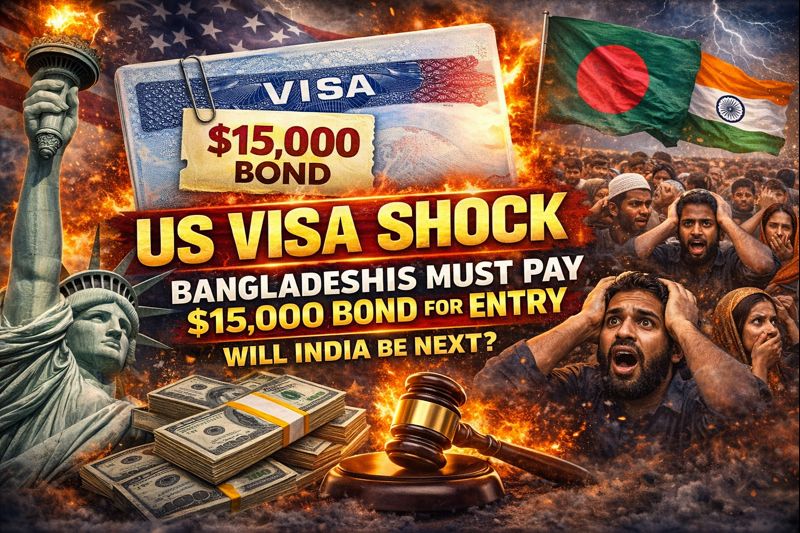
US Visa Shock: Bangladeshis Must Pay $15,000 Bond for Entry – Will India Be Next?
The United States has dropped a major visa bombshell on Bangladeshi citizens. Starting January 21, 2026, nationals approved for B1/B2 (business or tourist) visas must post a refundable bond of up to $15,000 before the visa is issued.
This tough new requirement, announced by the US Embassy in Dhaka and confirmed on travel.state.gov, aims to reduce visa overstays and illegal immigration. It places Bangladesh among a growing list of about 38 countries facing similar financial hurdles for short-term US visits.
The bond amount—ranging from $5,000 to $15,000—is decided case-by-case during the visa interview based on the applicant’s profile, travel history, and risk factors. Applicants pay via the US Treasury’s Pay.gov platform after approval, and the bond is refundable if they leave the US on time and comply with visa terms.
Why This Rule Hits Hard
For many Bangladeshis, $15,000 equals several years of average income (around Tk 18-20 lakh). The move follows the Trump administration’s push for stricter immigration controls, including expanded visa bonds to deter public benefits usage and overstays.
The US State Department updated its list of countries subject to visa bonds, adding Bangladesh effective January 21. Other South Asian nations like Nepal and Bhutan are already on it, with similar requirements.
Importantly, this applies only to new B1/B2 applications—existing valid visas remain unaffected. Student (F-1), work, or other visa types are not impacted by the bond rule.
The embassy warns: Do not pay any bond before the consular officer instructs you during the interview. Avoid third-party sites promising to handle payments.
Reactions from Bangladesh and Beyond
News spread fast across social media and Bangladeshi communities worldwide. Many express shock and frustration, calling it a “pay-to-enter” barrier that discriminates against middle-class travelers.
Travel agents report a surge in inquiries, with some applicants rushing to book interviews before the rule fully bites. In the UAE and other Gulf countries with large Bangladeshi expat populations, the impact is immediate—many apply there for convenience.
Critics argue the policy creates a two-tier system: wealthier applicants can afford the bond, while others face exclusion. Supporters say it’s necessary to enforce rules and protect US resources.
(Responsive / Native Ad)
The bond ties into broader Trump-era policies, including pauses on immigrant visas for high-risk nationalities (including Bangladesh) and new fees on other categories.
Could India Face Similar Measures?
The big question buzzing in India: Will this extend to Indian citizens next? India isn’t on the current visa bond list, but past patterns show concerns over overstays from certain nationalities lead to additions.
Indian applicants already face long wait times for US visas (often 6-12 months in some categories), social media checks, and high rejection rates. With Trump’s focus on immigration reform, experts warn South Asia could see more restrictions if overstay rates rise or political pressures mount.
No official indication yet that India is targeted, but the rapid addition of Bangladesh, Nepal, and Bhutan raises eyebrows. Indian diaspora groups are watching closely, especially with family visits and tourism in mind.
Starting Jan 21, 2026, Bangladeshi applicants granted B1/B2 US visas will need to deposit a refundable bond of up to $15,000. The move targets visa overstays and illegal immigration, signaling tougher enforcement.
— Rekha Sen (@RRekhaSen) January 20, 2026
What Applicants Need to Know
- Bond is refundable upon timely departure and no violations.
- Pay only through official channels after officer approval.
- Applies worldwide—regardless of where you apply.
- No advance payment allowed; wait for interview instructions.
This policy shift has sparked debates on fairness, economic impact, and global mobility. As the January 21 deadline hits, thousands of Bangladeshi travelers face tough choices: pay up or postpone US plans.
The ripple effects could reach neighboring countries soon. For now, the message is clear—US entry just got a lot more expensive for some.
Stay alert for updates; visa rules can change fast in this climate.
Stay tuned for more news on HOTBUZZ.IN