 Hot
Hot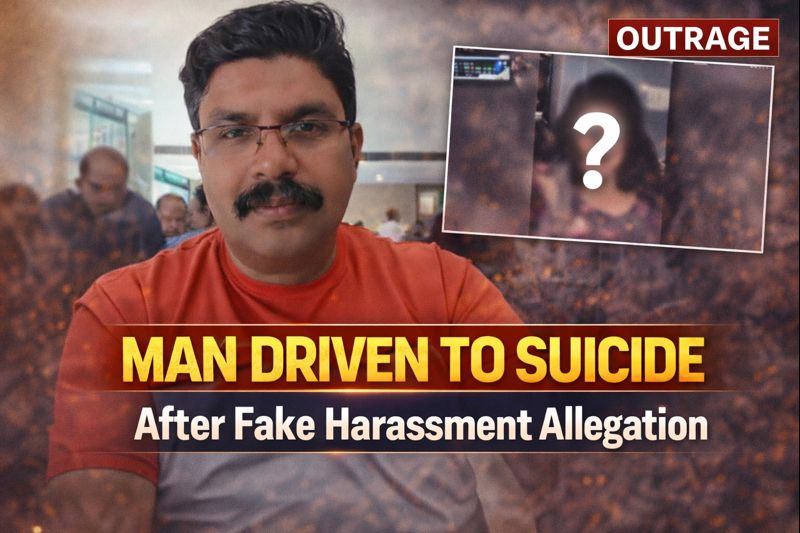
Kerala Man’s Suicide After False Bus Harassment Video: The Viral Tragedy Sparking Men’s Mental Health Crisis
A heartbreaking incident in Kerala has ignited fierce debates across South India about false allegations, social media shaming, and the devastating impact on men’s mental health. On January 16, 2026, a woman named Shimjitha Musthafa posted an 18-second video on Instagram accusing 41-year-old Deepak U, a sales manager from Govindapuram in Kozhikode, of sexual harassment during a crowded bus ride from Payyannur railway station to the bus stand in Kannur district.
She gained 2M views on this video This man is now dead by suicide She starts recording when he's already standing in front of her & his body is much away from her. Then she turns around with her front next to his arm Inappropriate touch or views bait? A life is gone
— Deepika Narayan Bhardwaj (@DeepikaBhardwaj) January 18, 2026
The clip, showing Deepak’s elbow allegedly brushing against her, went viral overnight, amassing over 2 million views and sparking intense online backlash. Deepak denied the claims, insisting it was accidental in the packed bus, and was preparing legal action against the defamation. But the public scrutiny proved overwhelming. Just two days later, on January 18, he was found hanging in his room, in what police initially treated as an unnatural death.
Deepak’s family alleges the mental distress from the false accusation and cyberbullying drove him to suicide. “He was scared and heartbroken,” his mother told reporters. Police have since booked Shimjitha under Section 108 of the Bharatiya Nyay Sanhita for abetment to suicide, based on the family’s complaint. Shimjitha maintains her stance, calling it a “sexual boundary violation,” but witnesses like the bus driver and conductor have stated it appeared unintentional, with no deliberate misconduct.
This tragedy has exposed the dark side of “trial by social media.” In a rush for views and validation, unverified claims can destroy lives before facts emerge. Experts warn that such incidents contribute to a growing crisis in men’s mental health, where societal pressures to “man up” leave victims isolated. False allegations not only humiliate but can lead to job loss, family ostracism, and severe depression. In India, where male suicide rates are already high (NCRB data shows men account for over 70% of suicides), these cases amplify the stigma around seeking help.
The fallout has sparked widespread outrage and calls for reforms. Activists demand stricter laws against online defamation and platforms to verify serious accusations before amplification. “Social media empowers voices, but without accountability, it’s a weapon,” says a Kerala-based psychologist. Men’s rights groups highlight how gender biases in harassment laws can be exploited, urging a “Men’s Commission” for balanced support.
The Viral Cardboard Protest: A Cry for Safety
In response, a unique protest has gone viral: Kerala men boarding buses wearing or holding cardboard “shields” or “armor” to avoid any accidental contact with women. Videos show demonstrators with signs like “We Want Men’s Commission,” symbolizing fear of false claims in crowded public transport. One clip features a man in full cardboard gear, arms outstretched, to prevent misinterpretation.
(Responsive / Native Ad)
This satirical yet poignant act underscores the paranoia gripping many. “This is the only safe way for men to travel now,” quips a protester in a video. While some applaud it as a wake-up call, others criticize it for trivializing real harassment. Regardless, it amplifies the mental toll: constant anxiety, eroded trust, and emotional isolation.
Experts link these events to broader issues. False allegations erode faith in justice systems and deter genuine victims from speaking out. For men, the humiliation compounds cultural taboos on vulnerability, leading to unreported depression. Helplines like India’s AASRA report rising calls from men facing defamation stress.
As investigations continue, this case serves as a stark reminder: words can kill. Society must balance empowerment with empathy, promoting mental health resources like counseling and awareness campaigns. Until then, tragedies like Deepak’s risk becoming the norm, not the exception.
When fear becomes armor... Men in Kerala buses shield themselves with cardboard after a viral video led to suicide.
— Manisha Gandhi (@manishagandhii) January 20, 2026
Stay tuned for more news on HOTBUZZ.IN