 Hot
Hot
Gold Prices Hit All-Time High as Dollar Wobbles – Should You Buy Now?
Gold has once again shattered records, reaching an all-time high of $2,945–$2,950 per ounce in international markets on January 23, 2026. In India, 24-carat gold prices have crossed ₹96,500–₹97,200 per 10 grams in major cities (including GST and making charges), with some jewelers quoting even higher for immediate delivery. This surge marks the third consecutive day of sharp gains and the biggest weekly jump in months.
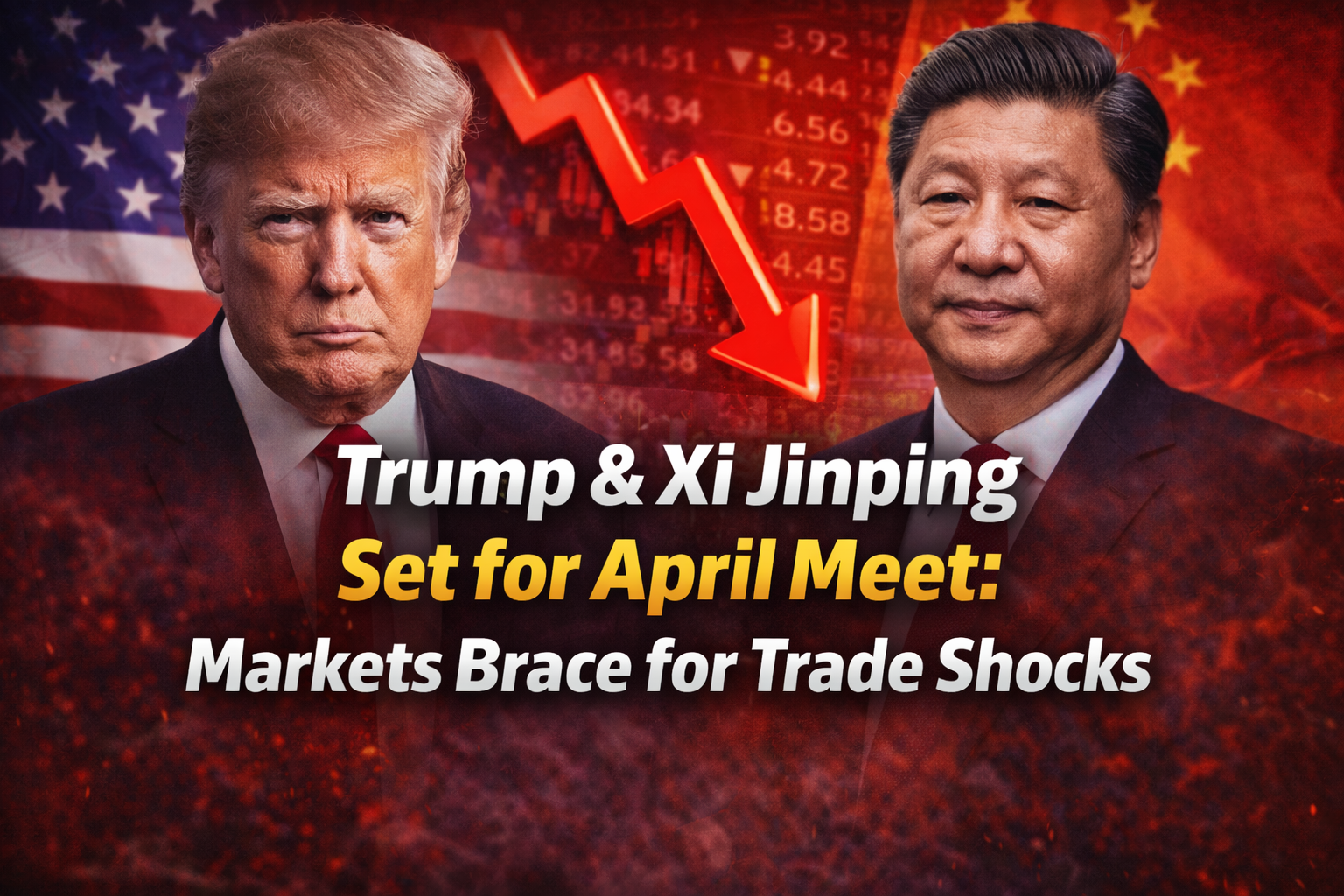
The primary trigger is a sharp weakening of the US dollar index (DXY), which fell below 102.50 after strong signals from the Federal Reserve that rate cuts could accelerate in 2026 amid cooling inflation and softening US economic data. A weaker dollar makes gold cheaper for foreign buyers, boosting demand. At the same time, global uncertainty — renewed tariff threats from the Trump administration, escalating Middle East tensions, BRICS de-dollarization talks, and fears of recession — has driven safe-haven buying into gold.
Central banks continue to be aggressive buyers: India’s RBI added another 12 tonnes in Q4 2025, taking reserves above 880 tonnes. China, Turkey, Poland, and Singapore have also increased holdings in recent months. ETF inflows turned positive again in January 2026 after a brief pause, with SPDR Gold Shares (GLD) seeing $1.2 billion in net inflows this month alone.
In India, domestic demand remains robust despite high prices. Wedding season tailwinds, Akshaya Tritiya expectations, and rising inflation fears are pushing retail purchases. Sovereign Gold Bonds (SGB) are trading at a premium in secondary markets, and digital gold platforms report 30–40% higher volumes compared to last year.
Current Gold Rates in India (Jan 23, 2026 – Morning Update)
- 24K Gold (per 10 grams): ₹96,500 – ₹97,200 (varies by city & jeweller)
- 22K Gold (per 10 grams): ₹88,400 – ₹89,000
- Silver (per kg): ₹1,12,000 – ₹1,14,000
- MCX Gold (Feb futures): ₹96,800 – ₹97,400
Delhi, Mumbai, Chennai, Hyderabad, and Kolkata rates are within ₹500–₹800 of each other, with Kerala and South India often ₹1,000–₹1,500 lower due to lower making charges.
Why Gold Is Surging – Key Drivers
-
Dollar Weakness
Fed minutes hint at 75–100 bps rate cuts in 2026 if growth slows. Lower US yields reduce opportunity cost of holding non-yielding gold. -
Geopolitical & Trade Risks
Trump’s tariff threats on Europe, China, India, and others have revived fears of trade wars, supply chain disruptions, and inflation — classic gold catalysts. -
Central Bank & Institutional Buying
Global central banks bought 1,037 tonnes in 2025 — the highest since 1967. India and China remain top buyers.Mid-Article Ad Space
(Responsive / Native Ad) -
Inflation & Currency Debasement Fears
Persistent food and fuel inflation in India (CPI ~6–7%) and BRICS moves toward gold-backed trade push investors toward the yellow metal. -
Physical Demand in India & China
Wedding, festival, and investment demand remains strong despite record prices.
Future Outlook – Predictions for 2026
Analysts are largely bullish:
- Goldman Sachs: $3,100–$3,300/oz by end-2026
- JPMorgan: $3,000+ in Q2 2026, possibly $3,500 by year-end if tariffs escalate
- UBS: $3,150 target, citing central bank buying and recession risks
- In India: 24K could touch ₹1,05,000–₹1,10,000 per 10g by Diwali 2026 if global momentum continues
Short-term pullbacks are possible (profit booking after sharp rally), but the long-term trend remains upward unless the dollar stages a dramatic reversal or geopolitical risks ease significantly.
Should You Buy Gold Now?
- Yes, if you’re a long-term investor (5+ years), hedging inflation, or diversifying portfolio. Physical gold, SGBs, or gold ETFs are good options.
- Wait or buy in dips if you’re trading short-term — prices are extended, and volatility could spike.
- Avoid over-leveraging — gold is safe but can correct 10–15% in risk-on rallies.
The current rally is driven by fear and fundamentals — classic gold behavior. Whether it’s a bubble or the start of a new bull run, 2026 looks set to be another strong year for the yellow metal.
Track daily rates on MCX, Goodreturns, or bank apps. Consult a financial advisor before investing.