 Hot
Hot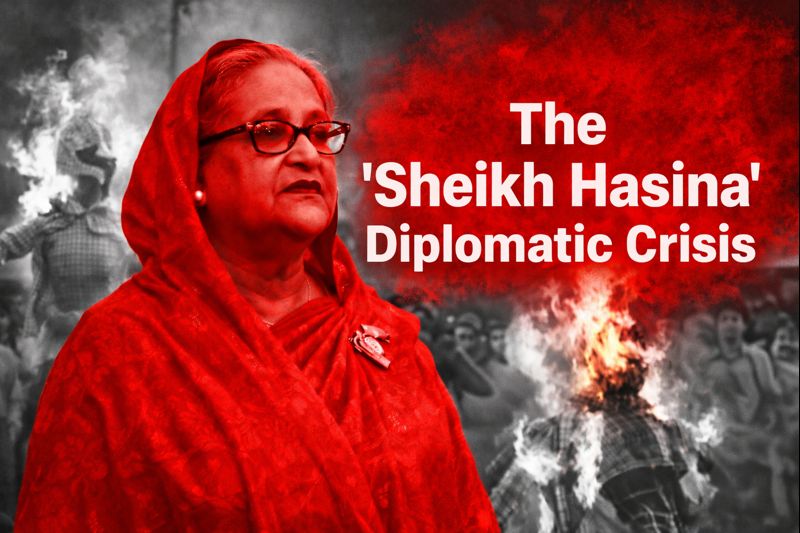
The ‘Sheikh Hasina’ Diplomatic Crisis: Effigies Burned in Dhaka Over Speech from Delhi
As India celebrated its 77th Republic Day with pomp and European Chief Guests on Kartavya Path on January 26, 2026, a serious diplomatic storm was brewing on the eastern border. In Dhaka, hundreds of protesters took to the streets, burning effigies of former Bangladesh Prime Minister Sheikh Hasina and symbolic Indian flags after her first public political speech from Indian soil since fleeing to exile in August 2024.
Bangladesh’s Ministry of Foreign Affairs says it is “surprised and shocked” that fugitive former PM Sheikh Hasina has been allowed to make a public address in India, where she fled in 2024 https://www.aljazeera.com/news/2026/1/25/bangladesh-slams-india-over-fugitive-ex-pm-hasinas-first-public-address
— Al Jazeera English (@AJEnglish) January 25, 2026
On January 23, 2026, Hasina delivered a pre-recorded audio message at an event organized by the Foreign Correspondents Club in New Delhi. In the speech, she launched a scathing attack on Bangladesh’s interim government led by Muhammad Yunus, calling it “fascist,” “corrupt,” and responsible for “mass murder” and “blood-soaked chaos.” She urged Bangladeshis to “reclaim democracy” and claimed the August 5, 2024 protests that ousted her were a “conspiracy by militants.”
The interim government in Dhaka reacted furiously on January 25. The Foreign Ministry expressed being “surprised and shocked” that India allowed a “fugitive” and “mass murderer” (their words for Hasina) to deliver what they described as a “hate speech” and “incitement.” They warned it “could seriously impair bilateral relations” and endanger “peace and security.” Bangladesh summoned India’s deputy high commissioner to lodge a formal protest.
By January 26, protests escalated in Dhaka and other cities. Demonstrators gathered outside the Indian High Commission, burned effigies of Hasina, and chanted slogans accusing India of sheltering a “war criminal” and interfering in Bangladesh’s internal affairs. Photos and videos showed flames engulfing effigies, with banners reading “India Hands Over Hasina” and “No Interference.” Police used water cannons in some areas, but no major violence or injuries were reported.
The crisis is deeply tied to Bangladesh’s upcoming national elections on February 12, 2026. The interim government accuses Hasina of destabilizing the transition; her supporters claim the Yunus regime is illegitimate. India’s decision to host her speech — even if privately organized — is seen in Dhaka as tacit endorsement or at least tolerance of her political activity.
(Responsive / Native Ad)
While no border closure or troop movement has been reported, security has been heightened along the 4,096-km India-Bangladesh border. Migration concerns, already a flashpoint, have intensified with fears of renewed influx if political instability grows. The timing — during India’s Republic Day — adds diplomatic sting, overshadowing the EU-India partnership narrative.
Bangladesh said it was "surprised" and "shocked" that India had allowed former Prime Minister Sheikh Hasina to make a public address in New Delhi.
— Hindustan Times (@htTweets) January 25, 2026
78-year-old Sheikh Hasina has been in India since August 2024, following a student-led protest that ended her 15-year rule. She made her first public speech since then in an audio address to a packed press club in Delhi.
More details 🔗
Bangladesh’s interim government has demanded India prevent Hasina from making further political statements. New Delhi has not issued a formal response yet, but sources indicate it views the speech as a private event and not state-sponsored.
The effigy burnings and protests have dominated Bangladeshi social media, with hashtags like #HandsOffBangladesh and #HasinaFugitive trending. In India, reactions are mixed: some see it as unwarranted interference fears, others worry about straining a key neighbor relationship.
This “Sheikh Hasina diplomatic crisis” risks becoming a major flashpoint in South Asia. As Republic Day celebrations continue in Delhi, the eastern border simmers — a reminder that even as India shines on Kartavya Path, regional tensions can flare without warning.