 Hot
Hot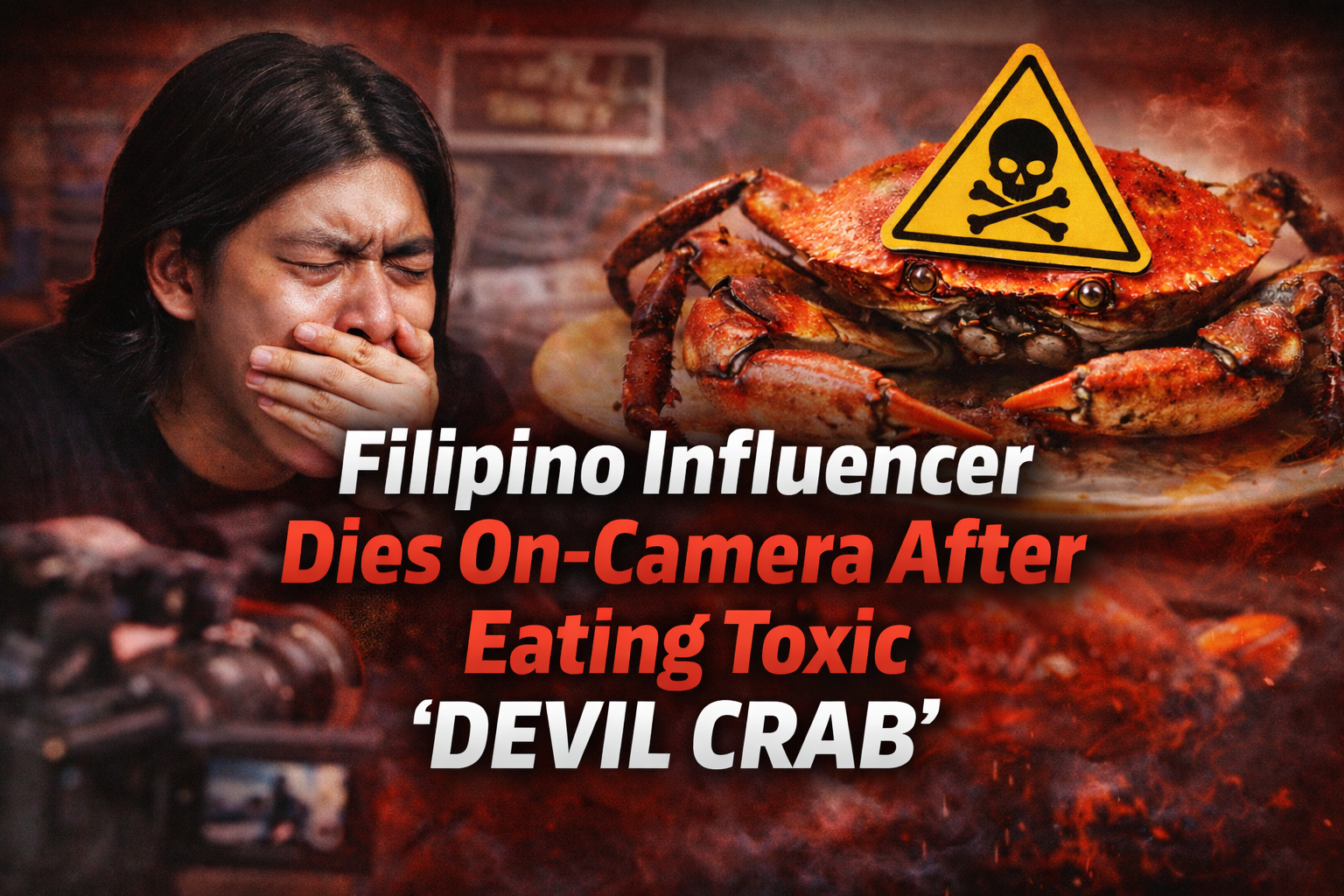
A shocking incident from the Philippines has gone viral: 51-year-old food content creator Emma Amit passed away after eating a highly toxic “devil crab” while filming for social media.
On February 4, 2026, Amit and friends foraged in a mangrove forest near Puerto Princesa, Palawan. They collected shellfish and crabs, including the deadly Zosimus aeneus — known locally as the “devil crab,” one of the region’s most poisonous species.
In footage shared on Facebook (since removed), she cooked the crabs and ate them on camera, smiling and unaware of the peril. The neurotoxins — saxitoxin and tetrodotoxin analogs — resist cooking and quickly cause severe poisoning.
Rapid Onset of Symptoms
Soon after, Amit suffered convulsions, blue lips, and paralysis-like effects. Rushed to medical care, she fought for two days but died on February 6, 2026. Reports mention a friend also consumed it and fell ill.
Local officials, including Barangay Chief Laddy Gemang, confirmed the cause and issued urgent alerts: avoid unknown wild crabs, especially colorful reef/mangrove varieties.
Why These Crabs Are So Dangerous
Unlike common edible crabs, Zosimus aeneus accumulates potent toxins from its diet. Symptoms hit fast: numbness, vomiting, respiratory failure. No specific antidote exists — only supportive hospital care.
This isn’t isolated; Indo-Pacific regions see occasional poisonings from misidentified marine life, but filming it for views amplified the tragedy globally.
(Responsive / Native Ad)
Wake-Up Call for Viral Food Challenges
Amit’s content focused on family fishing and cooking — wholesome until this risky stunt. Her death underscores the perils of extreme foraging videos chasing virality.
Philippine authorities now push education on safe seafood. In biodiversity-rich Palawan, locals know which species to avoid, but online trends can override caution.
This serves as a grim reminder: no view count justifies risking life. Safety must trump content creation.
In India too, similar incidents happen with wild mushrooms, pufferfish, or unknown seafood during social media challenges. Hyderabad foodies and coastal creators should take note — always verify before eating unknown items on camera.
What are your thoughts on dangerous food stunts for social media?