 Hot
Hot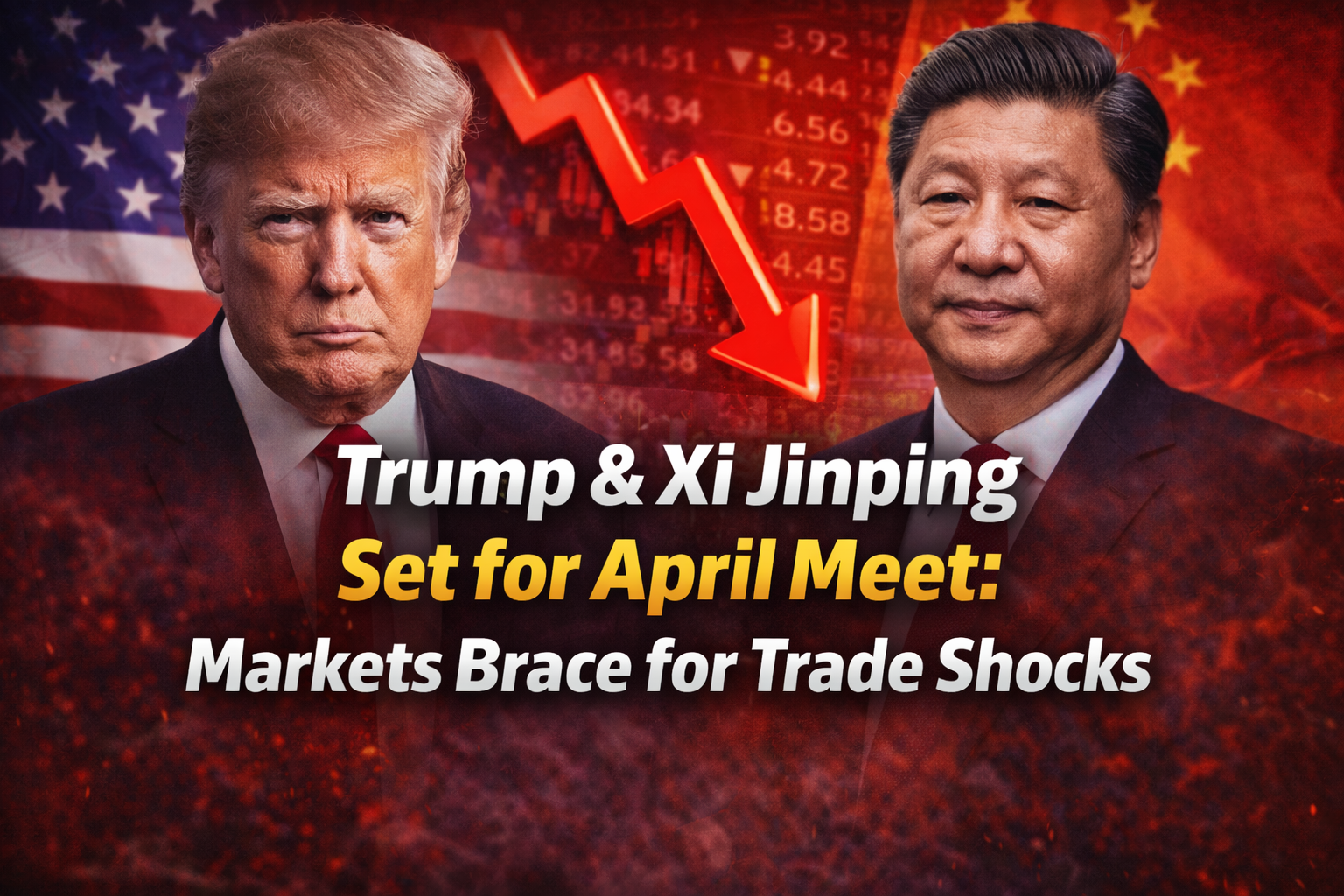
US President Donald Trump confirmed he will travel to China in April 2026 for a high-stakes summit with President Xi Jinping, the first face-to-face meeting since their South Korea encounter last year.
Trump made the announcement after a positive phone call with Xi on February 4, describing relations as “very good right now.” He added that Xi will visit the United States later in the year, potentially setting up multiple leader-level talks in 2026.
The Beijing visit, expected in the first week of April (possibly starting March 31), follows months of careful diplomacy to stabilize ties strained by tariffs, tech restrictions, and geopolitical flashpoints.
Focus on Trade Truce Extension
Central to the summit is the current trade truce agreed in late 2025, which paused escalating tariffs and export controls. Sources indicate both sides aim to extend this informal understanding by up to one year, delivering short-term economic relief.
Trump highlighted potential Chinese purchases of US soybeans — possibly rising to 20–25 million tons this season and next — along with oil, gas, and airplane engines. Soybean futures rallied on the news, signaling market optimism for agricultural wins.
China’s Foreign Ministry confirmed ongoing discussions about the visit, with spokesman Lin Jian emphasizing the value of head-of-state talks.
What Markets Are Watching Closely
Global investors remain cautious. While an extension would calm supply chains and reduce immediate tariff risks, failure could trigger renewed trade shocks.
Key concerns include:
- Tariff rollbacks vs. new barriers — Any partial reversal on tech or EVs could boost stocks in semiconductors and renewables, but fresh levies might hit exporters hard.
- Currency and commodity swings — Stronger yuan or higher US ag exports would affect forex and commodity prices worldwide.
- Supply chain realignment — Companies in India, Vietnam, and Southeast Asia — alternative manufacturing hubs — could see volatility if US-China détente deepens or sours.
For Indian markets, the implications are mixed. Hyderabad’s IT and pharma sectors benefit from stable global trade, but any escalation could raise input costs for electronics and chemicals. BSE Sensex and Nifty often react sharply to US-China headlines, with volatility spiking during past tariff wars.
(Responsive / Native Ad)
Broader Geopolitical Context
The agenda likely covers Taiwan (raised in the recent call), Russia-Ukraine, and Iran. Trump noted these topics were discussed positively, though details remain sparse.
This summit could be the first of up to four planned meetings in 2026, per some forecasts, aiming for longer-term stability.
What Happens Next?
Exact dates await White House confirmation, but preparations involve massive logistics — hundreds of staff, security, and equipment.
Markets will parse every statement for clues on tariffs, purchases, and concessions. A successful outcome could fuel risk-on sentiment; breakdowns might spark sell-offs in equities and rallies in safe-havens like gold and the dollar.
For now, the announcement brings cautious hope after a tense period. But in US-China relations, surprises are common — global traders stay braced.
How do you see this impacting Indian markets and businesses? Share your views below.