 Hot
Hot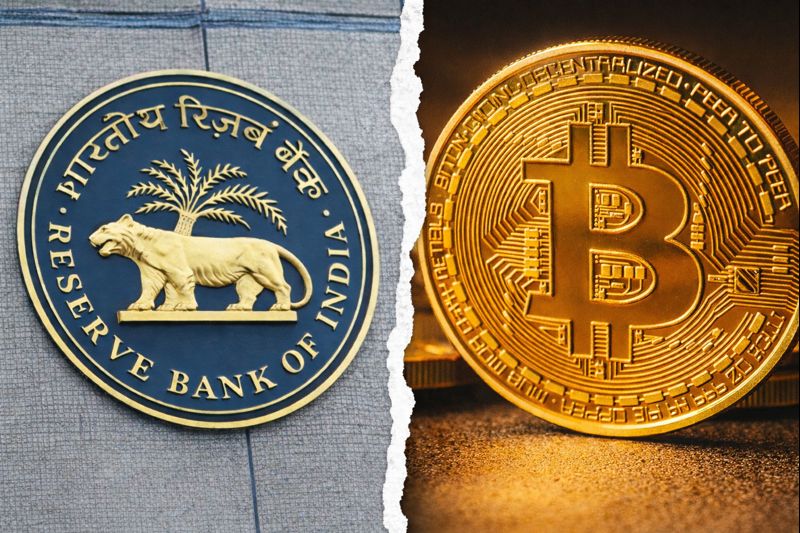
Crypto Ban 2.0: RBI Governor’s New Warning for Bitcoin Investors
The Reserve Bank of India (RBI) continues its long-standing skeptical stance on cryptocurrencies, with recent statements from top officials reinforcing warnings about Bitcoin and other digital assets. While no new outright ban has been imposed in early 2026, the central bank has repeatedly highlighted the “huge risks” posed by private cryptos to India’s monetary policy, financial stability, and investor protection.
Current RBI Governor Sanjay Malhotra, in remarks from late 2025 that carry into 2026 discussions, described cryptocurrencies and stablecoins as carrying “huge risk.” He emphasized a “very cautious approach,” preferring India’s own Central Bank Digital Currency (e-CBDC or digital rupee) over private alternatives. Deputy Governor T Rabi Sankar echoed this in December 2025, stating that unbacked cryptocurrencies like Bitcoin “have no intrinsic value,” lack an issuer or promise to pay, and fail to meet basic attributes of money. He argued they aren’t financial assets at all, given no underlying cash flow.
These views build on years of RBI caution. Former Governor Shaktikanta Das frequently called cryptos a threat to macroeconomic stability, comparing them to gambling and warning they could lead to dollarization or an unregulated parallel system. The RBI’s position: private digital assets undermine central bank control over money supply, complicate inflation management, and enable illicit flows.
Despite global crypto momentum—with Bitcoin hitting new highs and institutional adoption rising—India’s regulators remain firm. No complete ban exists in 2026: crypto trading is legal but heavily taxed (30% on gains, 1% TDS on transactions). Exchanges must register with FIU-IND, and banks can facilitate services under strict compliance. However, the RBI avoids endorsing crypto as an investment, viewing it as speculative rather than a legitimate currency.
Why the Warnings Matter Now
In January 2026, with BRICS discussions (India hosting the 2026 summit) focusing on linking CBDCs for cross-border payments, the RBI pushes government-backed digital solutions to reduce dollar dependence without private crypto risks. Deputy Governor Sankar noted CBDCs avoid many stablecoin pitfalls, like monetary instability or bypassing controls.
For Bitcoin investors in India, the message is clear: proceed at your own risk. Volatility remains extreme, and regulatory uncertainty lingers. The RBI has not softened its view despite US shifts under Trump or global market growth. Instead, it accelerates e-CBDC pilots for retail and wholesale use, positioning it as a safer, controlled alternative.
(Responsive / Native Ad)
Risks Highlighted by RBI
- No Intrinsic Value – Unlike fiat or gold, Bitcoin lacks backing or cash flow.
- Financial Stability Threat – Widespread adoption could disrupt banking, credit creation, and policy tools.
- Monetary Sovereignty – Private cryptos challenge rupee dominance and enable circumvention of capital controls.
- Investor Protection – Extreme price swings, scams, and no recourse in losses.
- Illicit Use – Potential for money laundering or terrorism financing.
The central bank urges focus on regulated innovations like UPI and e-CBDC, not speculative assets. While crypto enthusiasts call for clarity and lighter taxes ahead of Budget 2026, the RBI’s tone suggests no major thaw soon.
What This Means for Investors
Bitcoin holders in India face ongoing headwinds: high taxes erode gains, banking restrictions limit ease, and official warnings deter mainstream adoption. Many trade via P2P or offshore platforms, but risks of enforcement remain.
The “Crypto Ban 2.0” label captures renewed caution, not literal prohibition. No new ban announced in January 2026, but persistent alerts serve as a red flag. As global crypto evolves, India’s path stays conservative—prioritizing stability over speculation.
Investors should weigh the hype against RBI’s concerns. Diversify, stay compliant, and monitor policy shifts. In a world of digital assets, the central bank’s message is unchanged: caution first.