 Hot
Hot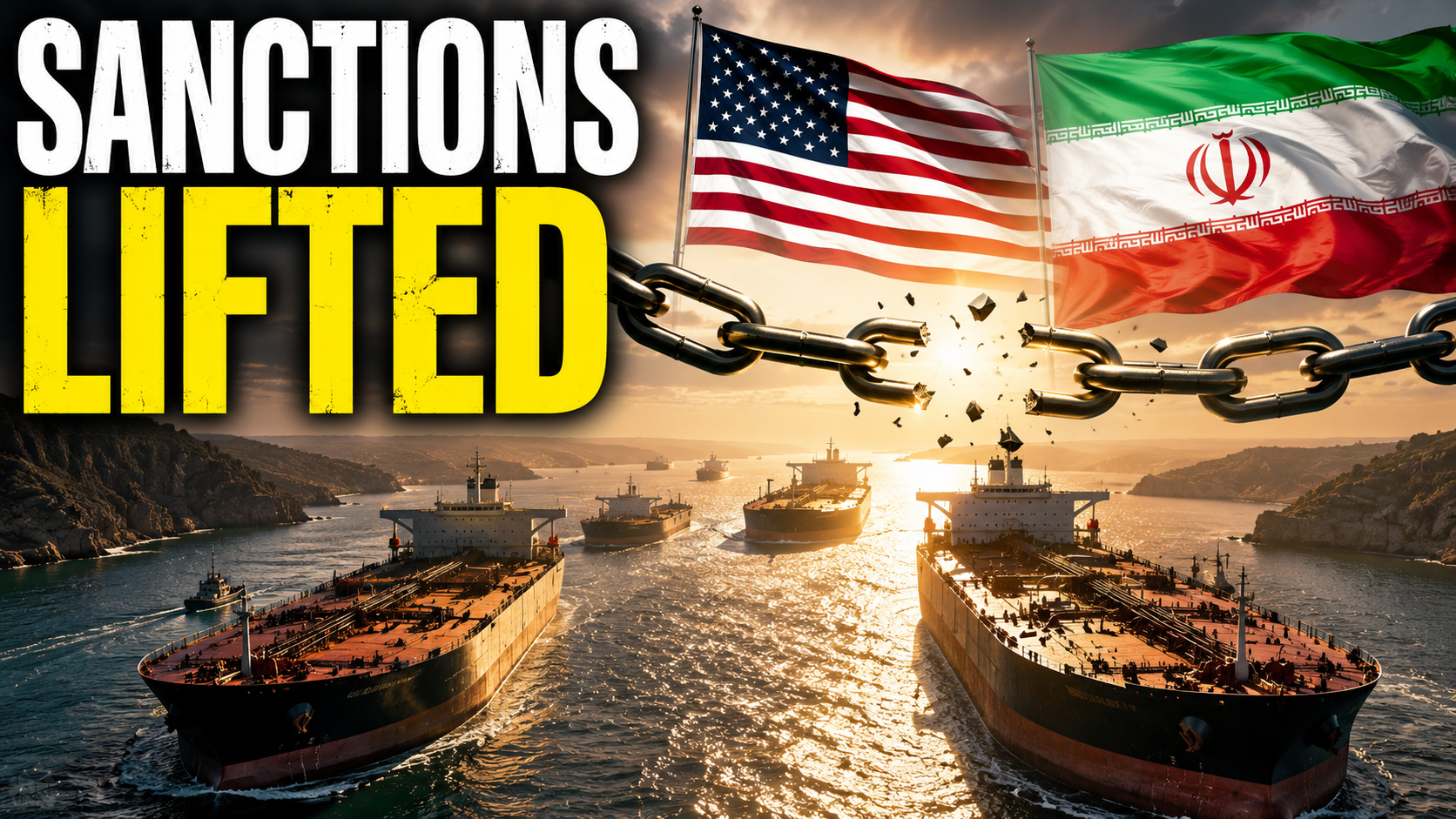
In a move that could reshape global energy markets, the United States has temporarily eased sanctions on Iranian oil exports. On June 22, 2026, the US Treasury Department issued a 60-day general license authorizing the production, sale, delivery, and transportation of Iranian crude oil and petroleum products — effective through August 21, 2026.
For India, the world’s third-largest oil importer, this could be a game-changer.
Why Did the US Do This?
The sanctions waiver is part of an interim Memorandum of Understanding (MoU) between Washington and Tehran, aimed at de-escalating tensions in the Middle East and paving the way for a final peace deal.
The relief comes after Iran agreed to two key conditions:
- Renewed IAEA Inspections — Tehran will allow International Atomic Energy Agency inspectors to resume monitoring of its nuclear facilities.
- Strait of Hormuz Guarantee — Iran has committed to ensuring the free and open movement of commercial vessels through the Strait of Hormuz, one of the world’s most critical oil shipping chokepoints.
How India Benefits
India imports over 80% of its crude oil, and any shift in global supply dynamics has direct implications for its economy. Here’s why this move is particularly significant:
1. Cheaper Oil Imports
The return of Iranian oil to global markets is expected to increase supply and push down Brent crude prices. For India, which spent over $150 billion on oil imports last year, even a modest price decline translates to billions in savings and reduced fiscal pressure.
2. Safer Shipping Lanes
A significant portion of India’s oil and gas imports passes through the Strait of Hormuz. Iran’s commitment to keeping this waterway open reduces the risk of supply disruptions and could lower shipping insurance premiums — a hidden cost that has spiked during recent tensions.
3. Chabahar Port Revival
The de-escalation between the US and Iran has revived hopes for India’s strategic investment in the Chabahar Port in southeastern Iran. This port is India’s gateway to Afghanistan and Central Asia, bypassing Pakistan entirely. Previous sanctions had cast doubt over the project’s future, but a warmer US-Iran relationship could unlock new momentum.
4. Inflation Relief
Lower crude prices would help cool India’s fuel and transport costs, providing indirect relief from inflation — a persistent concern for the RBI and policymakers.
(Responsive / Native Ad)
The Catch: It’s Temporary
There’s an important caveat: this is a 60-day waiver, not a permanent lifting of sanctions. If the broader peace negotiations stall or collapse, the sanctions could snap back, sending oil prices higher and creating fresh uncertainty.
Experts also note that India may maintain a cautious approach, avoiding over-reliance on Iranian crude until a more permanent deal is in place.
Market Reaction
Global oil futures dipped on the news, with Brent crude falling 2.3% to $68.40 per barrel in early Asian trading. Indian markets are expected to react positively, particularly in the aviation, logistics, and paint sectors — all heavily exposed to crude oil prices.
The Bigger Picture
This sanctions waiver is more than an oil story — it’s a signal of a potential realignment in Middle Eastern geopolitics. If the US and Iran can reach a lasting deal, it would reshape alliances, trade routes, and energy flows across Asia and beyond.
For now, India watches with cautious optimism. The next 60 days will tell whether this is the start of a new era or just another diplomatic pause.
How do you think this will affect fuel prices in India? Share your views below.