 Hot
Hot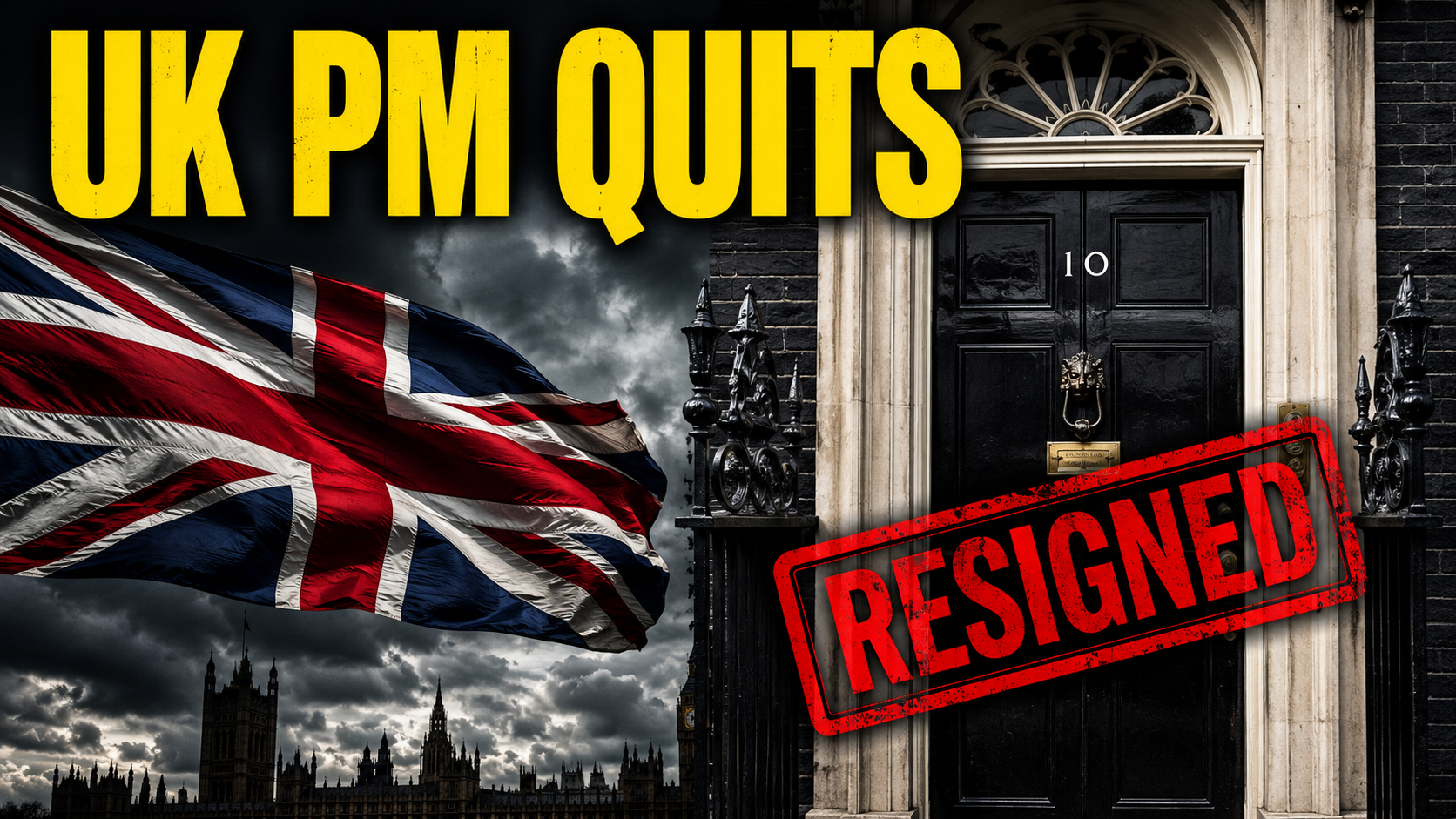
In a dramatic turn for British politics, Prime Minister Keir Starmer announced his resignation on Monday, June 22, 2026, bringing an abrupt end to a tenure marred by plummeting approval ratings and a growing internal revolt within the Labour Party.
Starmer, who led Labour to a historic landslide victory in the 2024 general election, admitted he was “no longer the best person to lead the party into the next general election.” He will stay on as a caretaker prime minister until a successor is chosen.
What Led to the Resignation?
Starmer’s downfall was a slow bleed rather than a sudden collapse. Several factors converged to make his position untenable:
- Cratering Approval Ratings — Polls showed his personal approval dipping below 20%, with voters expressing disillusionment over the pace of public service reforms and the cost-of-living crisis.
- Local Election Disasters — Labour suffered significant losses in the May 2026 local elections, losing control of key councils in the Midlands and North of England — heartlands the party had only recently recaptured.
- Internal Rebellion — A growing caucus of Labour MPs publicly demanded a leadership challenge, citing Starmer’s inability to articulate a compelling vision for Britain’s future.
Who Replaces Him?
The Labour Party leadership election is set to begin in July 2026. The frontrunner is Andy Burnham, the Mayor of Greater Manchester, who has built a strong national profile through his advocacy on housing, transport, and devolution.
Other potential contenders include several senior cabinet members, though none have formally declared at this stage.
A Historic Pattern
Starmer becomes the sixth UK Prime Minister to resign in the post-Brexit era, underscoring the extraordinary instability that has gripped British politics since 2016. From David Cameron to Boris Johnson, Liz Truss to Rishi Sunak, the role has proved a revolving door.
(Responsive / Native Ad)
What It Means for India
For India, the immediate impact is limited but not negligible. The UK-India Free Trade Agreement negotiations, which had been progressing under Starmer’s government, may face delays as the new leadership settles in. Indian students and professionals in the UK will also be watching closely for any shifts in immigration policy under a new Labour leader.
The bilateral relationship, however, is expected to remain on a stable trajectory regardless of who takes over at 10 Downing Street.
What Happens Next?
Starmer will continue in a caretaker capacity while the Labour Party conducts its internal election. A new Prime Minister could be in place by late August or September 2026. Until then, Britain enters yet another period of political uncertainty — a position it has become uncomfortably familiar with.
What do you think of Starmer’s resignation? Share your thoughts below.