 Hot
Hot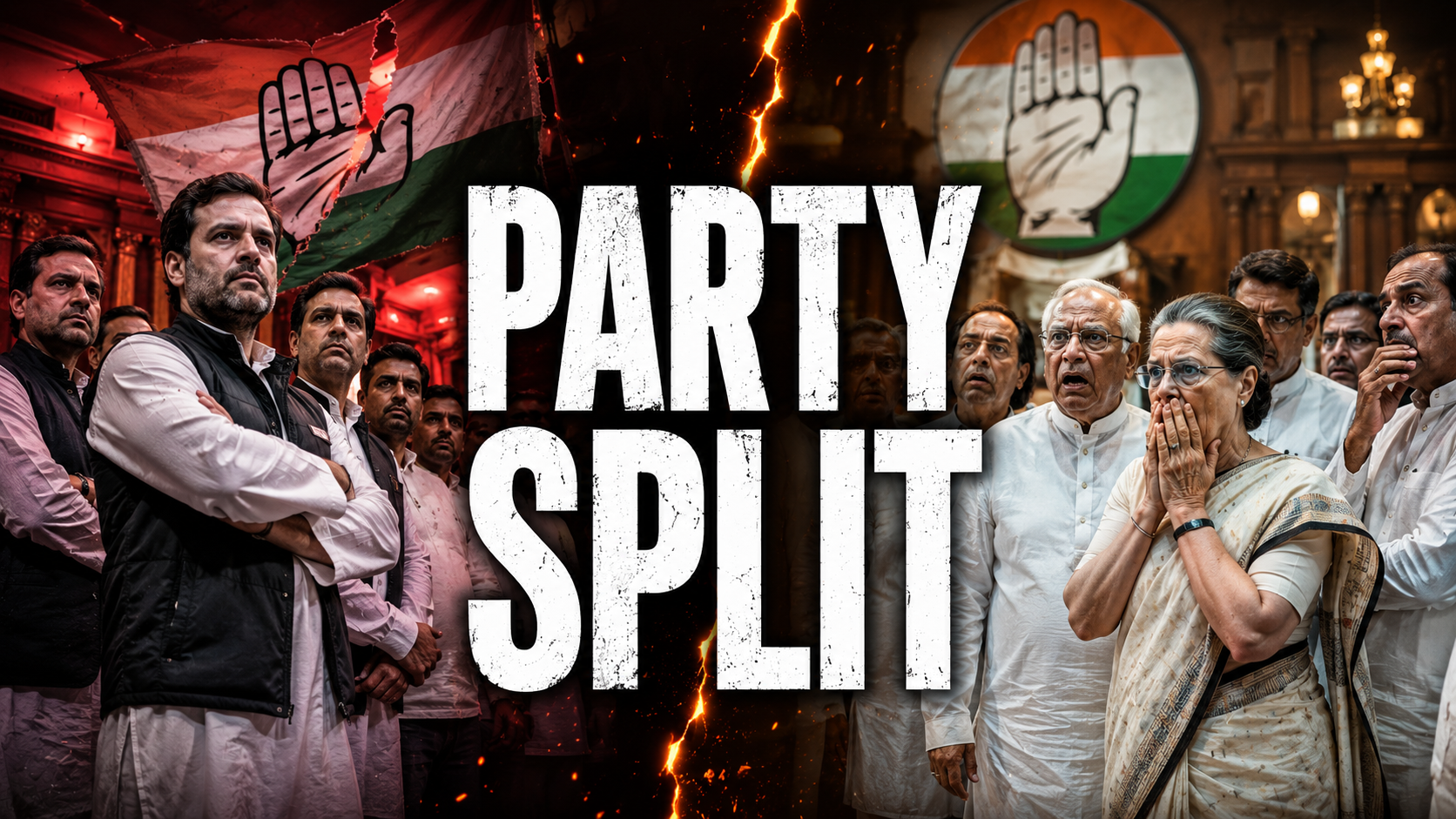
In what could be the most dramatic chapter yet in West Bengal’s turbulent political history, a rebel faction of the Trinamool Congress (TMC) has declared that it has removed Mamata Banerjee from her position as the party’s chairperson — and elected a new leader in her place.
The move, orchestrated by Leader of the Opposition Ritabrata Banerjee, marks a full-scale civil war within a party that dominated Bengal politics for over a decade.
What Happened?
On June 22, 2026, the rebel group convened a special session at a hotel in New Town, Kolkata. Claiming to represent the “real” Trinamool Congress, they took several sweeping actions:
- Removed Mamata Banerjee as the party’s chairperson, arguing that the National Working Committee’s term had expired without renewal, creating a “constitutional crisis.”
- Elected Arup Roy, a senior MLA, as the new chairperson of the party.
- Suspended Abhishek Banerjee, Mamata’s nephew and the party’s national general secretary, from his position.
The Backstory: How Did We Get Here?
The TMC’s internal implosion has been building since the party’s devastating defeat in the May 2026 West Bengal Assembly elections, where the BJP wrested power from Mamata’s government.
Since the election loss, the party has been haemorrhaging leaders and legislators. Many blamed Mamata’s centralised leadership style and Abhishek’s growing influence for alienating grassroots workers and senior leaders alike.
Ritabrata Banerjee, who has positioned himself as the voice of the disaffected rank-and-file, seized the moment to launch his challenge. His faction argues that the party needs a complete reset to remain politically relevant.
Mamata’s Camp Hits Back
Mamata Banerjee’s loyalists have rejected the rebels’ actions as having “no legal standing.” Her camp swiftly submitted a fresh list of office-bearers to the Election Commission of India (ECI) to reaffirm her leadership and protect the party’s official registration and election symbol.
(Responsive / Native Ad)
The rebel faction has also announced plans to approach the ECI, seeking recognition as the legitimate TMC and control of the party’s election symbol — the iconic “jora ghash-phool” (twin flowers and grass).
What Does This Mean for Bengal Politics?
The TMC split has massive implications:
- BJP Consolidation — The ruling BJP in West Bengal stands to benefit the most from a divided opposition. A fractured TMC could hand the BJP an even stronger mandate in upcoming local body elections.
- Congress and Left — The traditional opposition parties may see an opportunity to reclaim some political space, though they remain weak in Bengal.
- Legal Battle Ahead — The fight over the party name, symbol, and assets could drag on for months or even years, similar to past party splits in India (such as the Shiv Sena split in 2022-23).
A Pattern in Indian Politics
The TMC rebellion follows a well-worn script in Indian politics, where election defeats often trigger leadership challenges and party splits. From the Congress to the Shiv Sena to the NCP, the pattern is familiar: lose power, lose unity.
Whether Mamata Banerjee — one of India’s most formidable political fighters — can claw her way back remains to be seen. But for now, the “Didi” who once toppled the Left Front’s 34-year reign in Bengal finds herself fighting for survival within her own party.
What do you think — can Mamata make a comeback? Tell us in the comments.