 Hot
Hot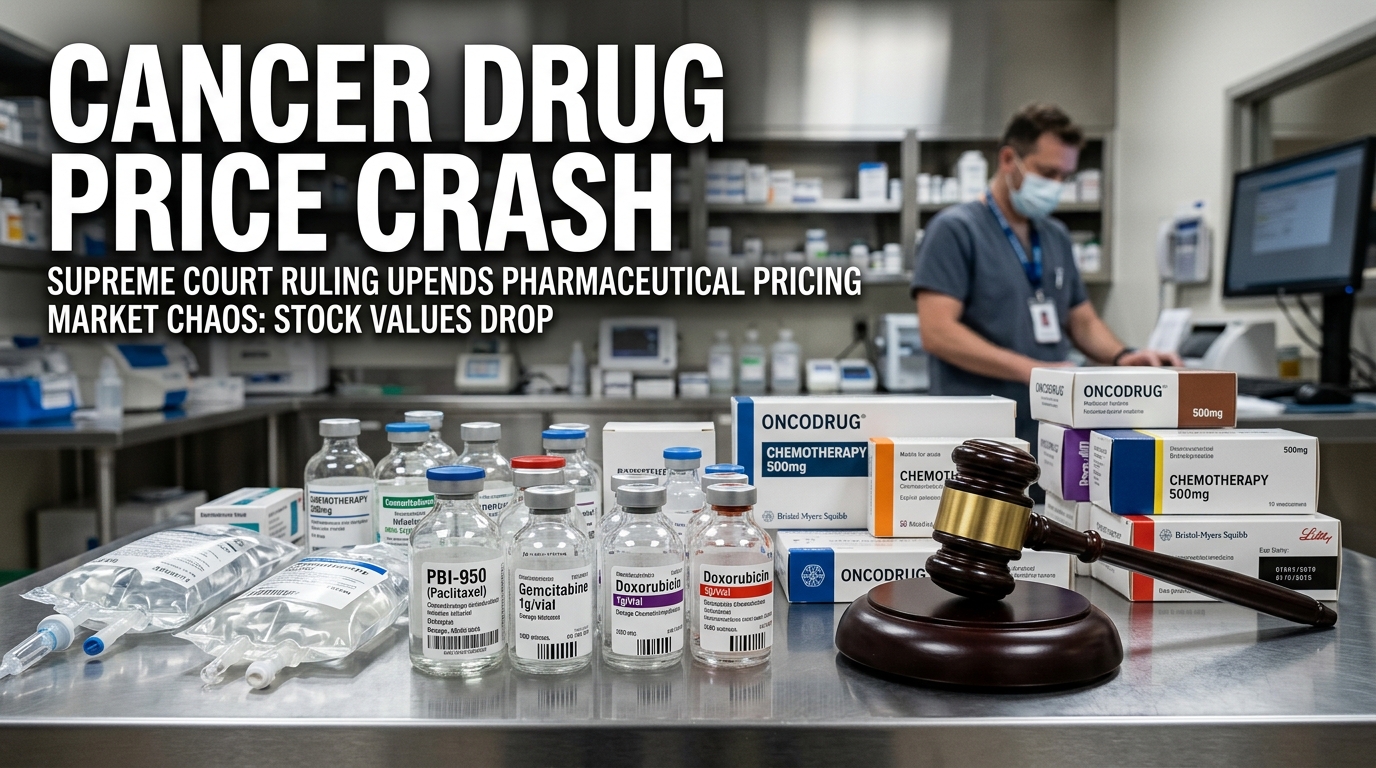
In a long-overdue reckoning for India’s healthcare landscape, the central government and the National Pharmaceutical Pricing Authority (NPPA) officially finalized an aggressive trade margin rationalization framework on October 8, 2026, mandating a strict 30% ceiling on the Maximum Retail Price (MRP) for all non-scheduled anti-cancer medicines.
The radical policy intervention, shaped in coordination with the Directorate General of Health Services (DGHS), directly targets approximately 110 life-saving oncology molecules—spanning imported biologics, branded therapies, and domestic generics—and is projected to slash retail chemotherapy costs for families by up to 70%, unlocking an estimated ₹2,500 crore ($300 million) in annual out-of-pocket savings.
| Metric / Dimension | Pre-Reform Regulatory Status | Post-October 2026 Mandate |
|---|---|---|
| Trade Margin Ceiling | Unregulated on non-scheduled drugs (up to 700% markups) | Capped at 30% of MRP (Price to Stockist / Retail) |
| Number of Molecules Covered | Limited to scheduled list (~few dozen) | ~110 Non-scheduled anti-cancer formulations |
| Average Retail Price Drop | None | Up to 70% reduction in out-of-pocket drug costs |
| Estimated Patient Savings | ₹0 (Patients absorbed extortionate margins) | ₹2,500 crore annually across Indian cancer patients |
| Product Coverage Scope | Selective | Branded, generic, patented, and imported anti-cancer drugs |
| Judicial Catalyst | Ongoing public interest litigations | Supreme Court rebuke citing “broad daylight dacoity” |
The 700% Markup Anatomy: Inside the Private Hospital Oncology Racket
For years, the dirty open secret of Indian oncology care was that the price printed on the medicine box bore virtually zero relationship to manufacturing costs. While essential drugs on the National List of Essential Medicines (NLEM) were price-controlled, non-scheduled oncology formulations fell through statutory loopholes.
Distributors routinely supplied injectable cancer drugs to private tertiary hospital pharmacies at ₹5,000 to ₹8,000 per vial. Yet, pharmaceutical manufacturers deliberately stamped an MRP of ₹40,000 to ₹65,000 on that exact same carton. This created artificial trade markups averaging 170% and frequently peaking beyond 700%, handing private hospital chains enormous profit margins that subsidized internal operations while systematically bankrupting middle-class cancer patients.
“Families routinely liquidate ancestral land, drain lifetime pension savings, or take high-interest uncollateralized loans just to afford 6 cycles of monoclonal antibody therapy,” said public health advocate Dr. Ananya Mukherjee. “The catastrophic out-of-pocket expenditure wasn’t financing groundbreaking biotechnology; it was financing institutional kickbacks and retailer margin cartels.”
The Supreme Court’s Boiling Point: How ‘Broad Daylight Dacoity’ Forced Policy Action
The decisive catalyst behind the Department of Pharmaceuticals’ sudden resolve was an unprecedented judicial reprimand from the Supreme Court of India. During recent hearings examining exorbitant hospital billing structures, a bench of apex court justices expressed outrage at the documented price chasm between manufacturer wholesale supply rates and patient invoices.
The court explicitly characterized the practice as “nothing short of broad daylight dacoity,” warning the central executive that if regulatory agencies failed to act decisively to curb predatory pharmaceutical profiteering on terminal illnesses, the judiciary would step in with coercive constitutional directives.
Faced with a judicial ultimatum, the NPPA, in tandem with the Ministry of Chemicals and Fertilizers and DGHS, abandoned years of incremental committee reviews and enacted trade margin rationalization (TMR) across the oncology basket.
Unpacking the 30% Math: Why 110 Critical Chemotherapies Will Plummet Overnight
Under the newly notified formula, trade margins are calculated backwards from the Price to Stockist (PTS) or landing cost, allowing a maximum cumulative distributor-to-retailer spread of 30% over the final MRP.
(Responsive / Native Ad)
What does this mean for a patient undergoing treatment for lung, breast, colorectal, or ovarian cancer?
- Targeted Immunotherapies: An advanced monoclonal vial previously sold to hospital counters at ₹15,000 and retailed to patients at ₹55,000 must now be priced under ₹21,500.
- First-Line Chemotherapy Infusions: Common non-scheduled cytotoxic injectables seeing markups of 300% will drop from ₹8,000 per dose to below ₹2,800.
- Oral Targeted Inhibitors: Daily targeted pills that cost upwards of ₹35,000 per monthly strip will see costs plunge by more than half, drastically reducing treatment discontinuation rates caused by “financial toxicity.”
The Pharma Pushback: Supply Threat, Gray Markets, and Formulation Evasion
While patient advocacy networks and oncologists across regional cancer centers hailed the decision as revolutionary, private hospital associations and pharmaceutical lobbies are already organizing pushback.
Industry representatives claim that capping trade margins on imported, cutting-edge therapies could disincentivize global biotechnology firms from introducing patent-protected molecular drugs to India, warning of potential supply chokeholds or artificial stock shortages. Furthermore, health policy analysts caution that vigilance will be required to prevent pharmaceutical companies from repackaging existing molecules under modified dosage forms or combination formulations to circumvent the 110-drug gazette list.
To prevent evasion, the National Drug Price Monitoring Enforcement wing confirmed that automated barcode tracking and punitive license revocation provisions will apply to any manufacturer or hospital distributor caught manipulating MRPs or hoarding supply.
The Next Frontier: Why Rare Diseases and Cardiac Care Could Be Next on the Chopping Block
The oncology margin cap sets an irresistible public precedent that transcends cancer wards. Healthcare reform activists are already petitioning the NPPA to expand the 30% trade margin ceiling to other extortionate treatment segments, including cardiovascular stents, organ transplant immunosuppressants, and rare disease enzyme replacement therapies, where distributor markups remain notoriously opaque.
By breaking the unholy alliance between inflated manufacturer MRPs and private hospital pharmacies, India has signaled that life-saving healthcare access cannot remain hostage to artificial commercial padding. For hundreds of thousands of Indian families fighting for survival against terminal diagnoses, this reform marks the difference between bankruptcy and the right to life.