 Hot
Hot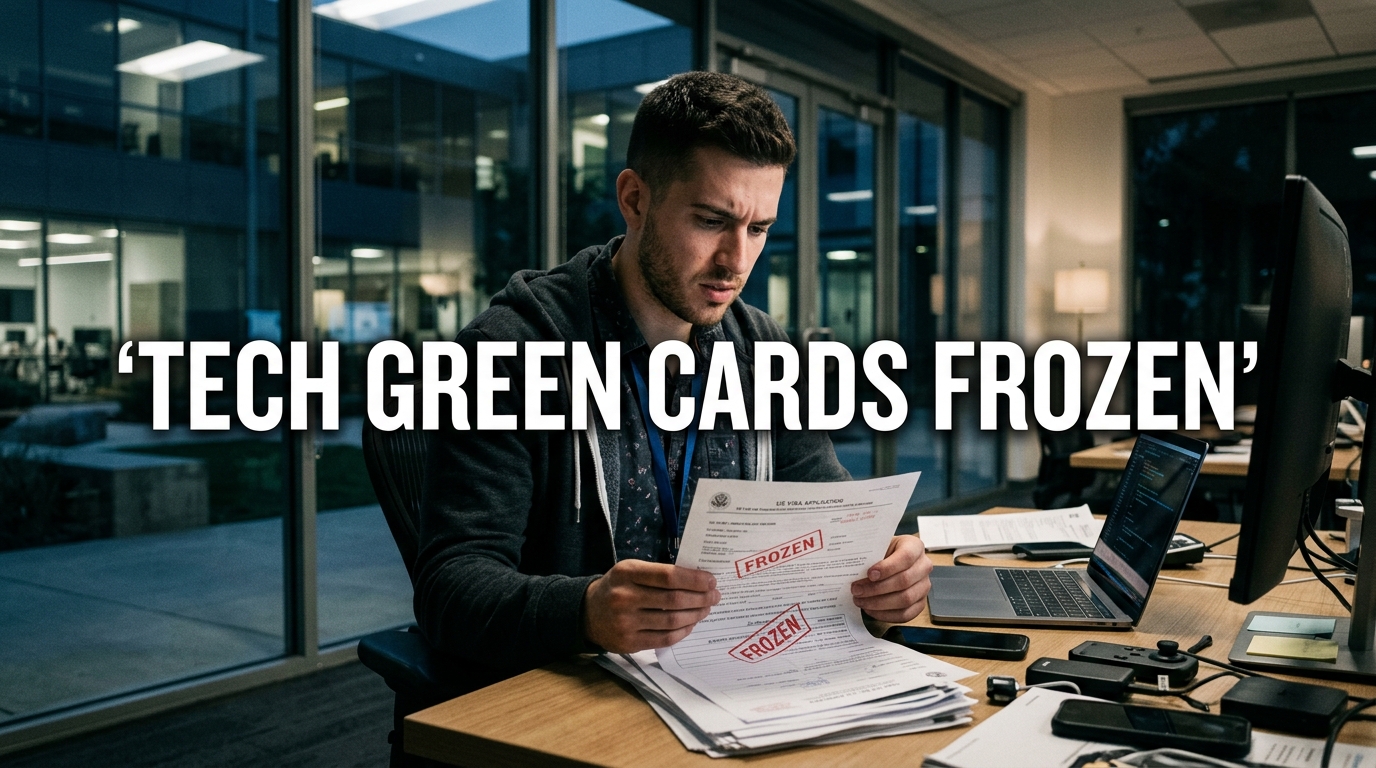
In an unprecedented regulatory strike that sent immediate shockwaves through Silicon Valley and India’s tech hubs, the United States Department of Labor (DOL) on October 8, 2026, officially froze all Permanent Labor Certification (PERM) processing for corporate heavyweights Microsoft, Adobe, and major IT outsourcing titans including Infosys, Cognizant, Tata Consultancy Services (TCS), Wipro, and HCL Technologies.
The suspension halts the acceptance of all new permanent residency applications and freezes pending PERM filings—the essential, mandatory first hurdle foreign professionals must clear to transition from temporary H-1B status to permanent legal residency. Announcing the enforcement blitz alongside Labor Secretary Keith Sonderling, Vice President J.D. Vance accused technology giants of deliberately gaming domestic recruitment rules to suppress American wages and prioritize lower-cost overseas labor pools.
| Enforcement Scope & Allegations | Impacted Entities & Official Mandate |
|---|---|
| Regulatory Action | Total freeze on PERM applications (new filings rejected, pending files frozen) |
| Primary Corporations Targeted | Microsoft, Adobe, Infosys, Cognizant, TCS, Wipro, HCL Technologies |
| Enforcement Authorities | U.S. Department of Labor, Office of Foreign Labor Certification |
| Core Allegation | Intentional under-advertising of domestic job openings to favor visa-bound labor |
| Federal Investigation Status | Active multi-agency probes into recruitment practices and academic J-1 visas |
| Visa Status Distinction | Existing H-1B visas remain active; green card naturalization pipeline suspended |
The Layoff-Sponsorship Paradox: How 6,000 Pink Slips Triggered Federal Retaliation
The catalyst for the administration’s aggressive crackdown centers on what federal regulators described as glaring corporate hypocrisy during recent waves of tech downsizing. Vice President Vance specifically pointed to Microsoft’s domestic staffing disclosures, revealing that the Redmond giant had laid off 6,000 American engineers and corporate staff while concurrently securing 6,300 H-1B visa approvals and nearly 3,000 permanent green card sponsorships.
Under statutory PERM regulations, employers are legally required to prove to the DOL that no qualified, willing American citizen or permanent resident is available to fill a specific position before sponsoring a foreign applicant. Federal investigators allege that tech conglomerates sidestepped this standard through highly technical job descriptions, unpublicized postings, and automated candidate filtration systems designed to manufacture artificial domestic labor shortages.
Labor Secretary Sonderling emphasized that Microsoft and Adobe are currently facing “multiple active federal investigations” examining whether domestic candidates were intentionally bypassed during internal restructurings.
The Purgatory of the ‘Golden Handcuff’: What the Halt Means for Immigrant Engineers
While immigration authorities clarified that the order does not cancel valid H-1B visas or mandate immediate deportations, the human and professional fallout for high-skilled expatriates is immediate and severe.
For hundreds of thousands of Indian and foreign engineers already trapped in multi-decade green card backlogs, an active or approved PERM certification is the foundational prerequisite to extending an H-1B visa beyond its statutory six-year limit. With the certification door slammed shut:
- Career Mobility Freeze: Sponsored employees cannot accept promotions, transfer internally, or change job titles without invalidating their underlying labor certification.
- Family Status Jeopardy: Dependents nearing the age of 21 face “aging out” into undocumented status or mandatory departure if parental green card queues remain frozen.
- Retention Vulnerability: Tech enterprises that utilized green card sponsorship as a low-cost talent retention mechanism suddenly face an exodus of top engineering talent weighing relocation offers abroad.
“This does not merely delay a piece of paper; it paralyzes life decisions for tens of thousands of our brightest software architects,” noted immigration attorney Priya Sundaram. “Engineers who have lived lawfully in Seattle or the Bay Area for eight years, bought homes, and raised children are suddenly realizing their runway has an abrupt expiration date.”
Mid-Article Ad Space
(Responsive / Native Ad)
The Nearshoring Flight: Will Silicon Valley Shift Core R&D to Canada and Europe?
Rather than capitulating to domestic hiring mandates, multinational technology firms are already assessing contingency architectures. Industry insiders reveal that human resources leadership across targeted companies began exploring mass workforce reallocations within hours of the announcement.
If permanent residency pathways in the United States remain politically weaponized, enterprise executives argue that global software development cannot afford to sit in regulatory limbo. Canada’s Global Skills Strategy—which fast-tracks work permits in under two weeks—alongside expanded tech campuses in Vancouver, Dublin, London, and Bengaluru, are poised to absorb thousands of high-earning engineering teams currently stationed on U.S. soil.
The Midterm Populist Tightrope and the Global IT Repercussions
The timing of the enforcement blitz—arriving just weeks ahead of high-stakes U.S. midterm elections—underscores the intense political currents dictating modern technology policy. Both political establishments have faced growing pressure from domestic tech workers and white-collar advocacy groups who argue that the H-1B and PERM pipelines have been distorted from specialized genius visas into routine enterprise cost-cutting tools.
Yet, targeting Indian IT conglomerates like Infosys and TCS alongside domestic icons like Microsoft carries explosive bilateral trade implications. With Indian IT services powering the back-office operations of Wall Street banks, airline logistics, and hospital networks, shutting off the cross-border talent valve threatens to inflate software operational costs across the Fortune 500.
As legal challenges from tech trade associations inevitably make their way to federal courtrooms, one structural reality has been made clear: the era of frictionless Silicon Valley global recruitment is over, replaced by an era where every line of code is scrutinized through the lens of domestic labor protectionism.